Whole-body care for how you feel, inside and out
Skin, aging, and hormones: women's health isn't one thing, so your care shouldn't be either. Here's everything we offer, and how it works.
Your body, at every stage
Women's health isn't just one thing. It's how your body changes. How your skin looks and feels. How you age. And yes, how your hormones shift over time.
This guide covers all of it. Skin and anti-aging support. And for women in perimenopause or menopause, the hormone changes that come with it.
Whatever stage you're at, we start the same way: a real evaluation, not guesswork, and a plan that actually fits the body you're in right now.

Everything we offer, in one place
Pick a treatment to get started, or learn more about how it works.
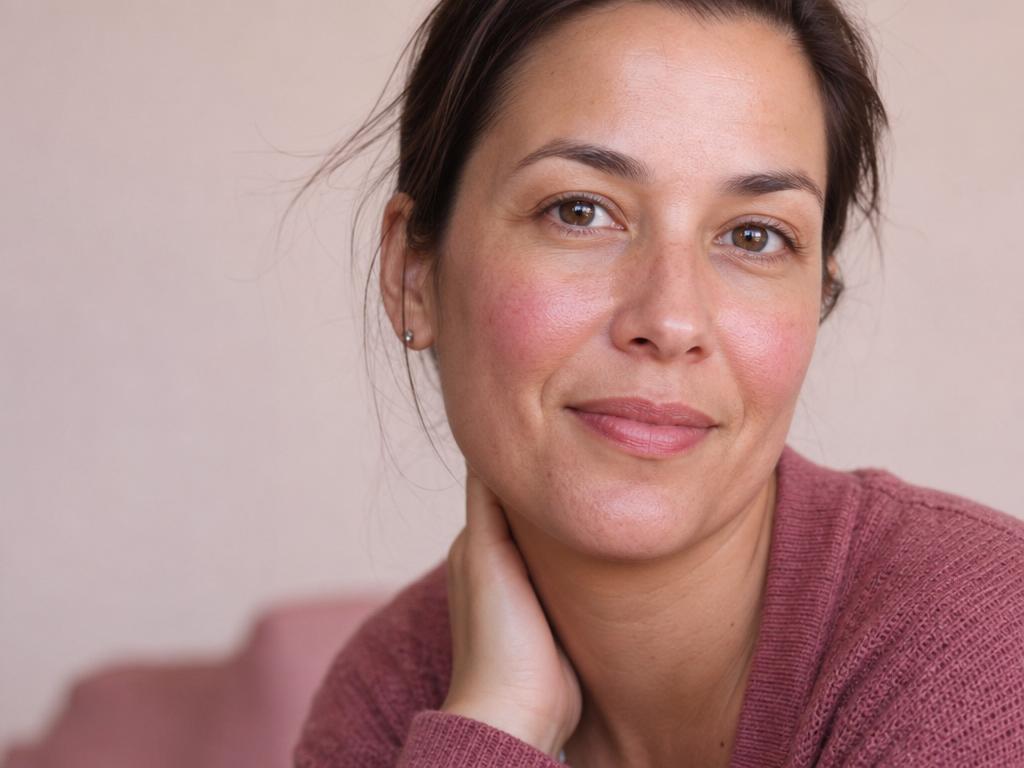

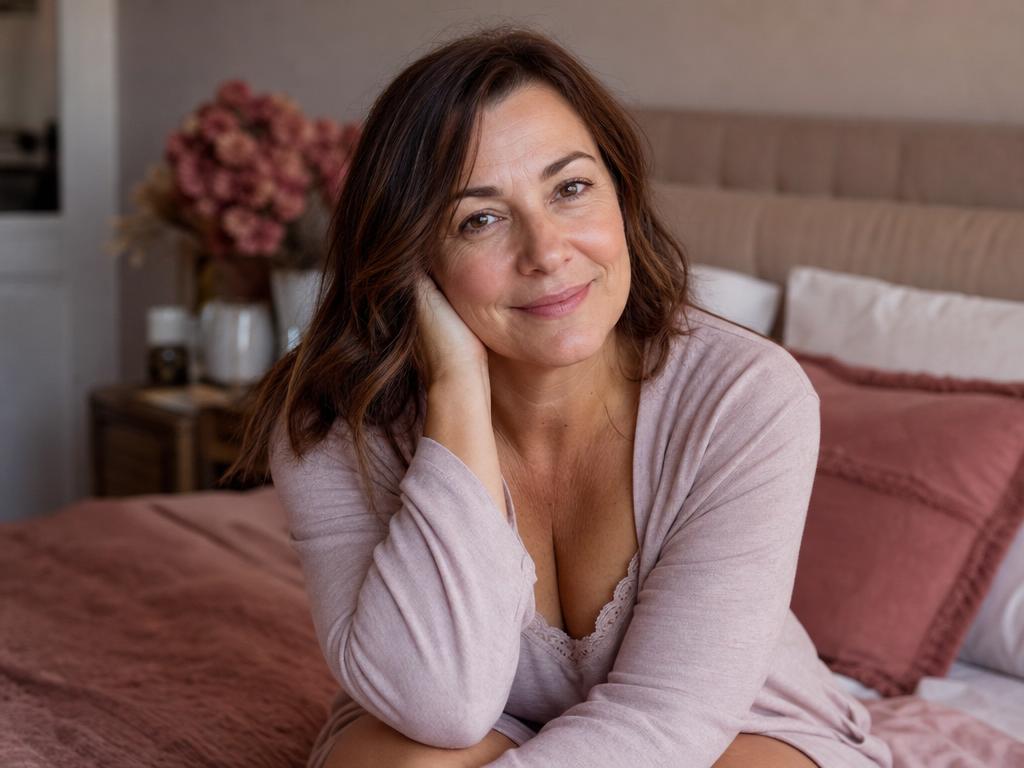
Menopause & Hormone Care
Real support for hormone shifts, covering HRT, symptoms, and evaluation.
Support for healthy, clear skin at any age
Adult skin concerns come from stress, diet, genetics, and hormones, not just menopause. Collagen naturally declines starting in your late 20s and 30s.
About a third of your skin's collagen is lost in the first five years after menopause, the change many women notice as thinner, drier, less bouncy skin.
About half of women in menopause notice real skin changes, most often dryness, less firmness, more sensitivity.
Adult acne isn't just a menopause thing
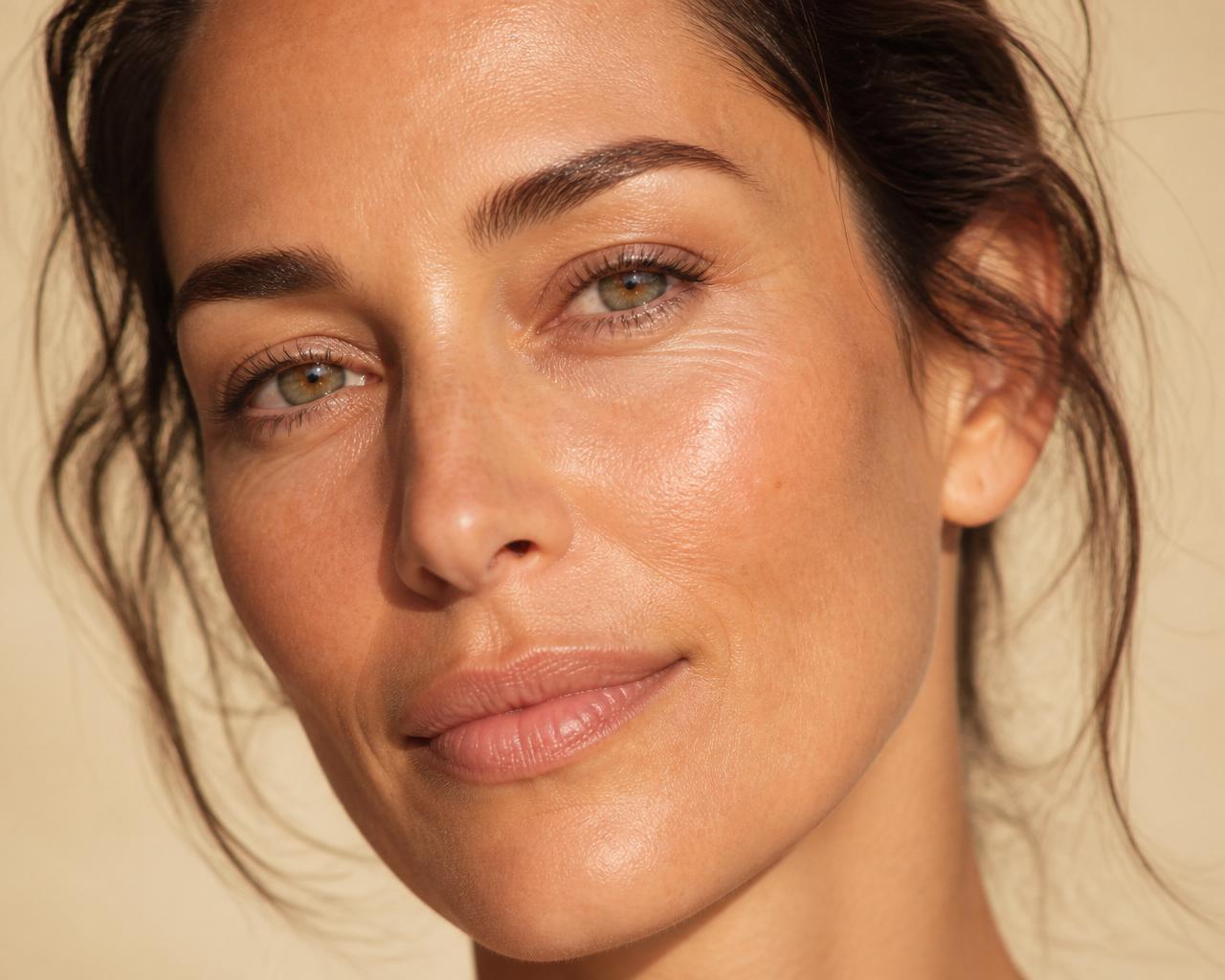
Acne shows up at any age from stress, diet, genetics, and hormones. In perimenopause, estrogen drops faster than androgens, giving androgens more influence over your skin, which can make it behave in new ways.
One well-studied option for skin firmness and repair is GHK-Cu, a naturally occurring compound that declines with age. A prescription-strength cream can help support elasticity and renewal, reviewed and approved by a licensed provider.
Prescription-strength skin support, from the inside out
GHK-Cu is a naturally occurring compound found in the body that plays a role in skin repair and renewal. As levels decline with age, a prescription-strength cream can help support skin elasticity, firmness, and a more even appearance, reviewed and approved by a licensed provider.
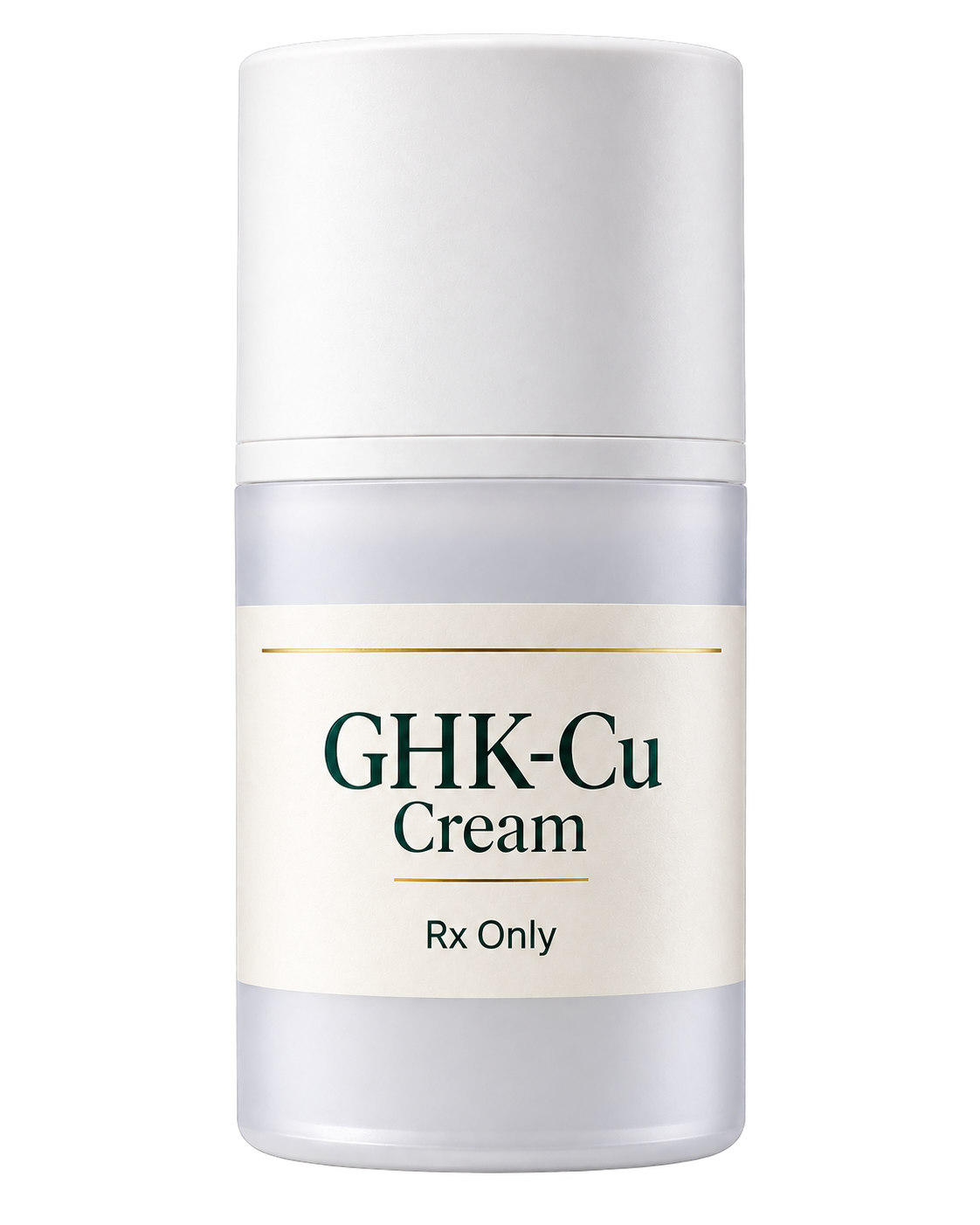
GHK-Cu Cream
A prescription-strength cream that supports skin elasticity, firmness, and a more even appearance.
Get StartedNAD+ and glutathione for proactive aging support
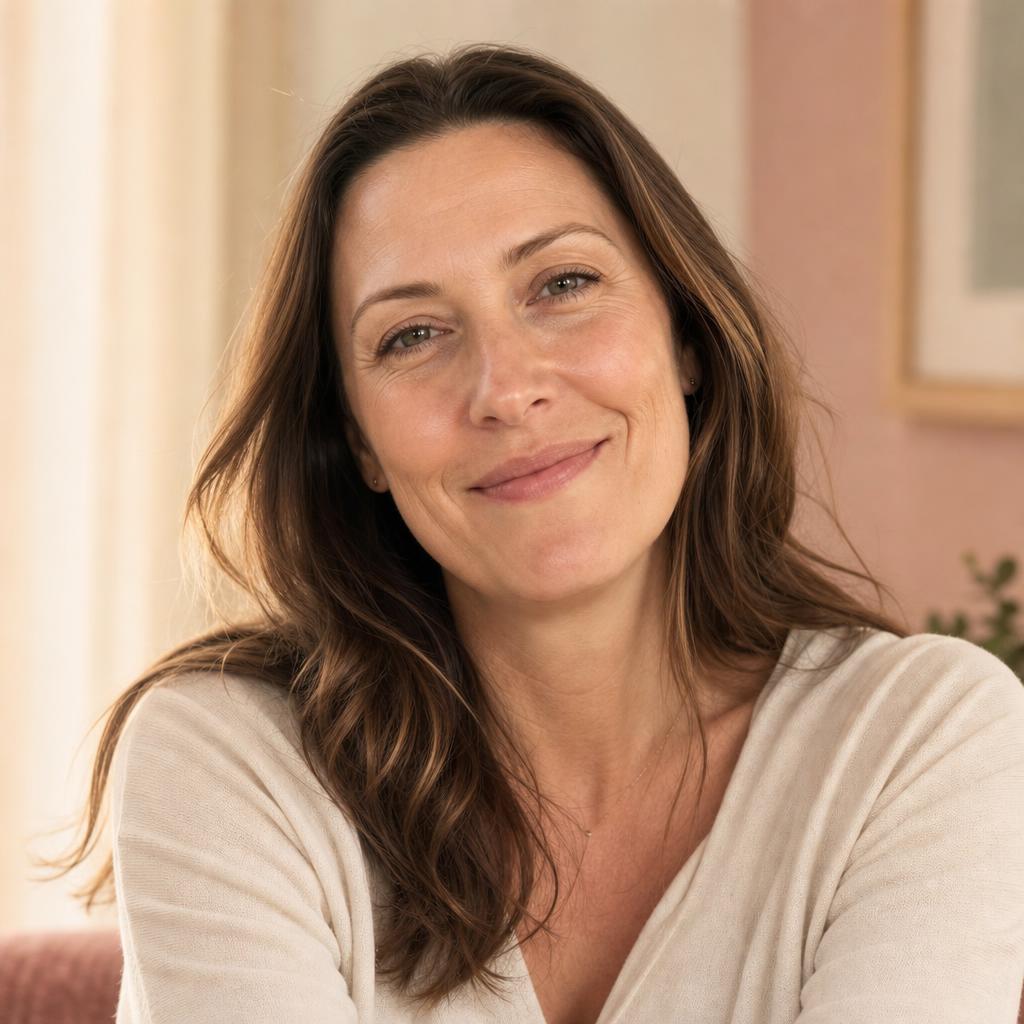
Collagen loss isn't only a menopause story. Skin naturally loses firmness and glow starting in your late 20s and 30s, and menopause just speeds it up.
That means proactive skin care and anti-aging support make sense whether or not you're near menopause. Two options worth knowing about:
- NAD+ supports cellular repair and energy at the skin level, often used for a more youthful, energized look.
- Glutathione, a natural antioxidant that supports brighter, more even-toned skin.
These are available as part of your care plan, alongside or separate from any menopause-related treatment.
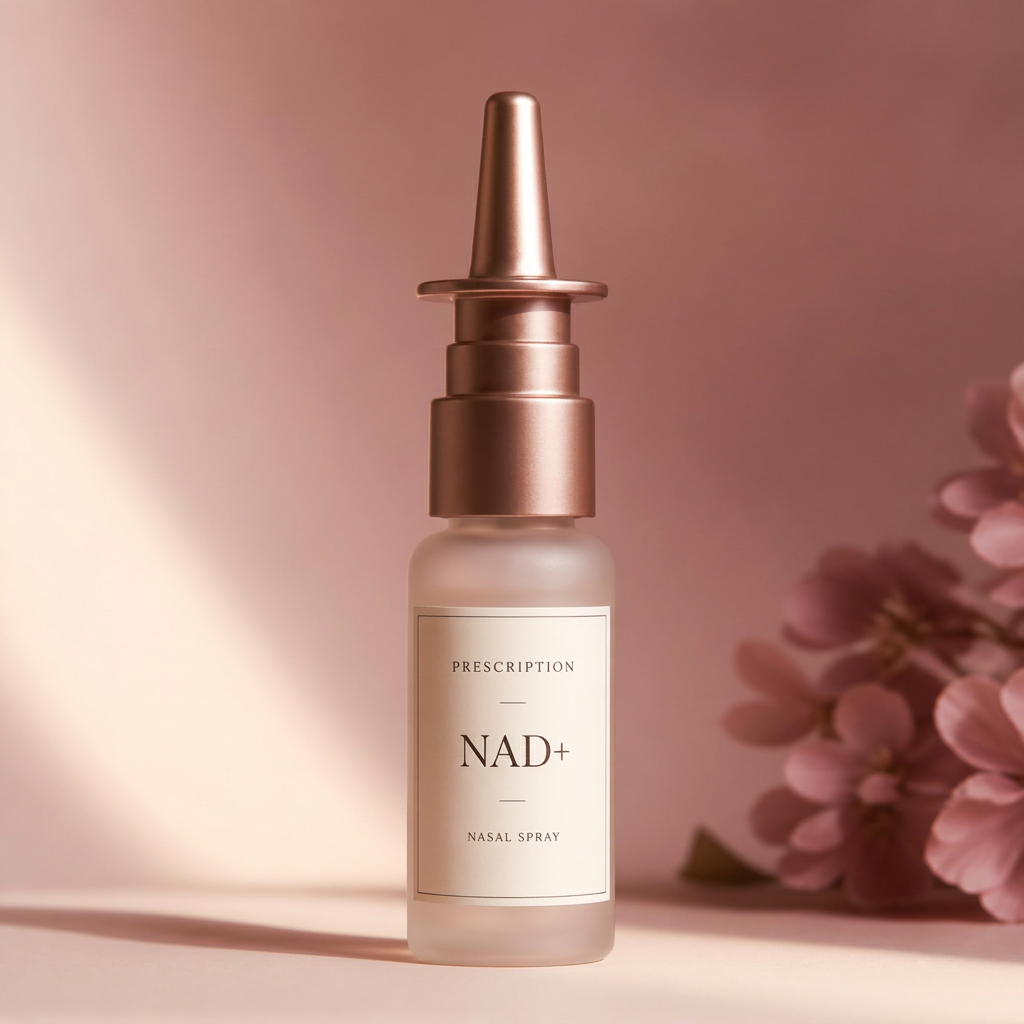
NAD+
A nasal spray designed to support cellular energy and repair, an anti-aging staple worth knowing about.
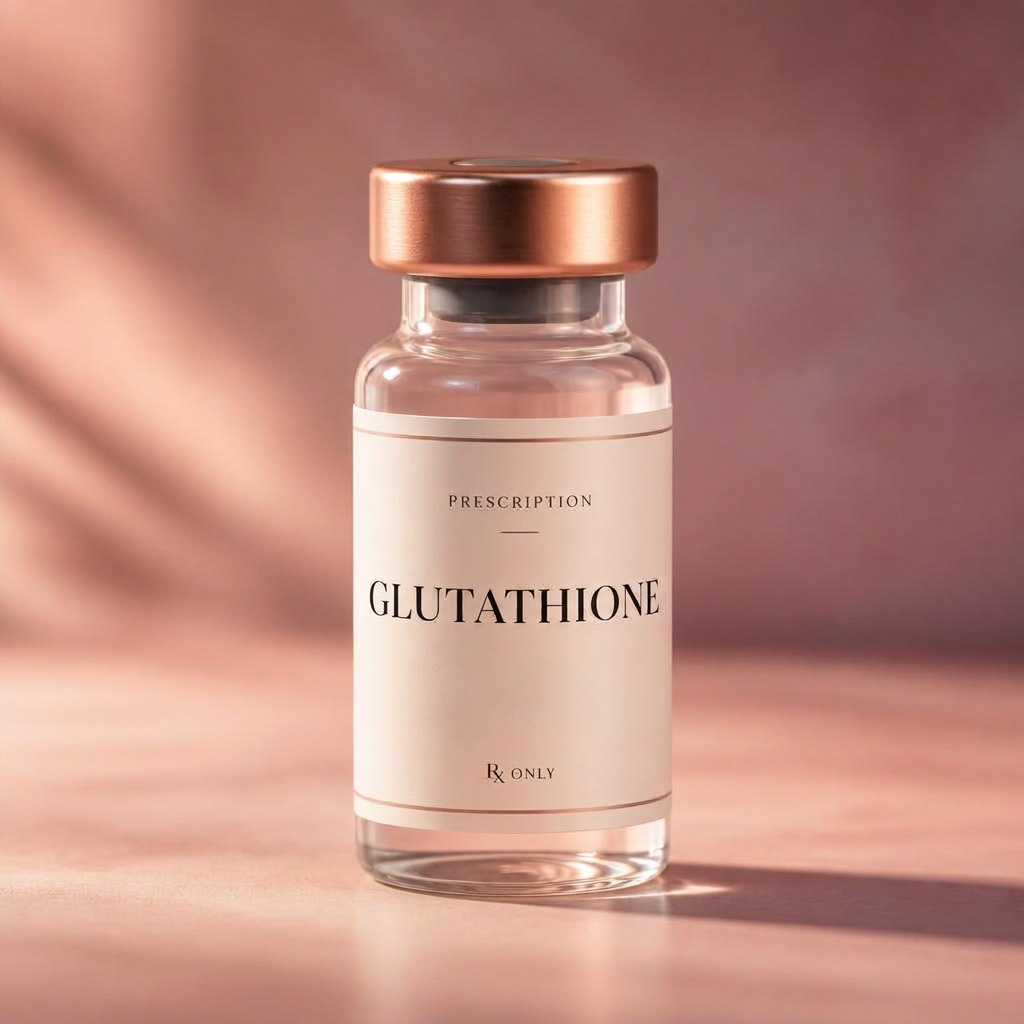
Glutathione
An antioxidant delivered as an injection to support brighter, more even-toned skin.
Real support for the menopause transition
For women in perimenopause or menopause, hormone shifts touch more than skin. Here's what else commonly comes up, and what can help.
These are common signs, not a diagnosis. Your provider connects them with a real evaluation to figure out what's actually going on.
Sleep problems
About 8 out of 10 women sleep worse during perimenopause and menopause, often because of night sweats and shifting hormones.
Mood changes
Low mood, anxiety, and irritability get more common during this transition, even for women who never dealt with them before.
Losing muscle
As estrogen falls, muscle slowly shrinks. That affects strength, how fast your body burns energy, and how you look and feel.
Weaker bones
You can lose up to 20% of your bone density in the first 5–7 years after menopause. Less dense bones break more easily.
Comfort and desire follow the hormones
As estrogen and testosterone fall around menopause, sex drive can shift. Arousal may take longer. Vaginal dryness is common, and sex can start to feel uncomfortable, sometimes for the first time in your life.
These are well-documented changes tied to lower hormone levels. Not a personal failing, not something you have to just live with.
There are real treatments. Topical estrogen (applied locally, not taken as a pill) is one common option. Low-dose hormone therapy is another. What's right depends on your history and a provider's evaluation.
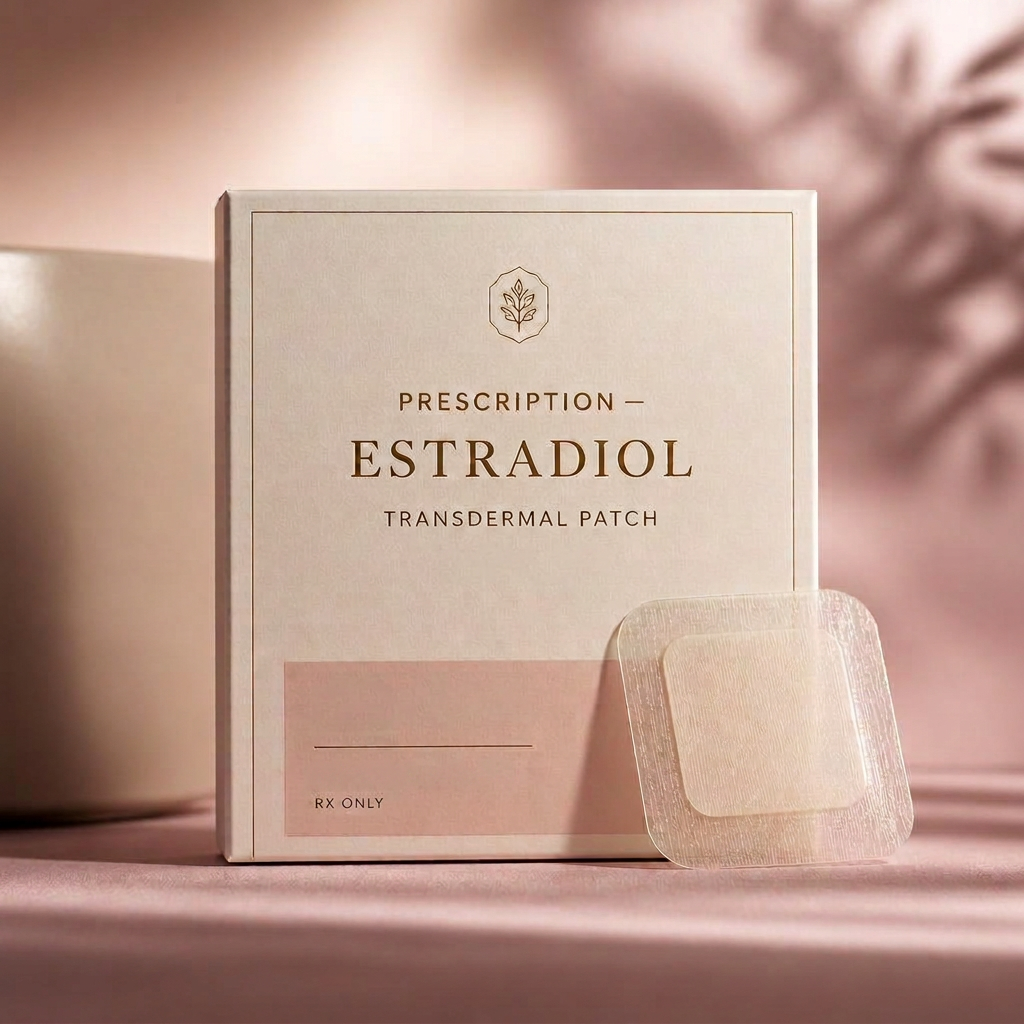
Estradiol
A transdermal patch that delivers a steady, low dose of estrogen through the skin, one common option in menopause hormone therapy.
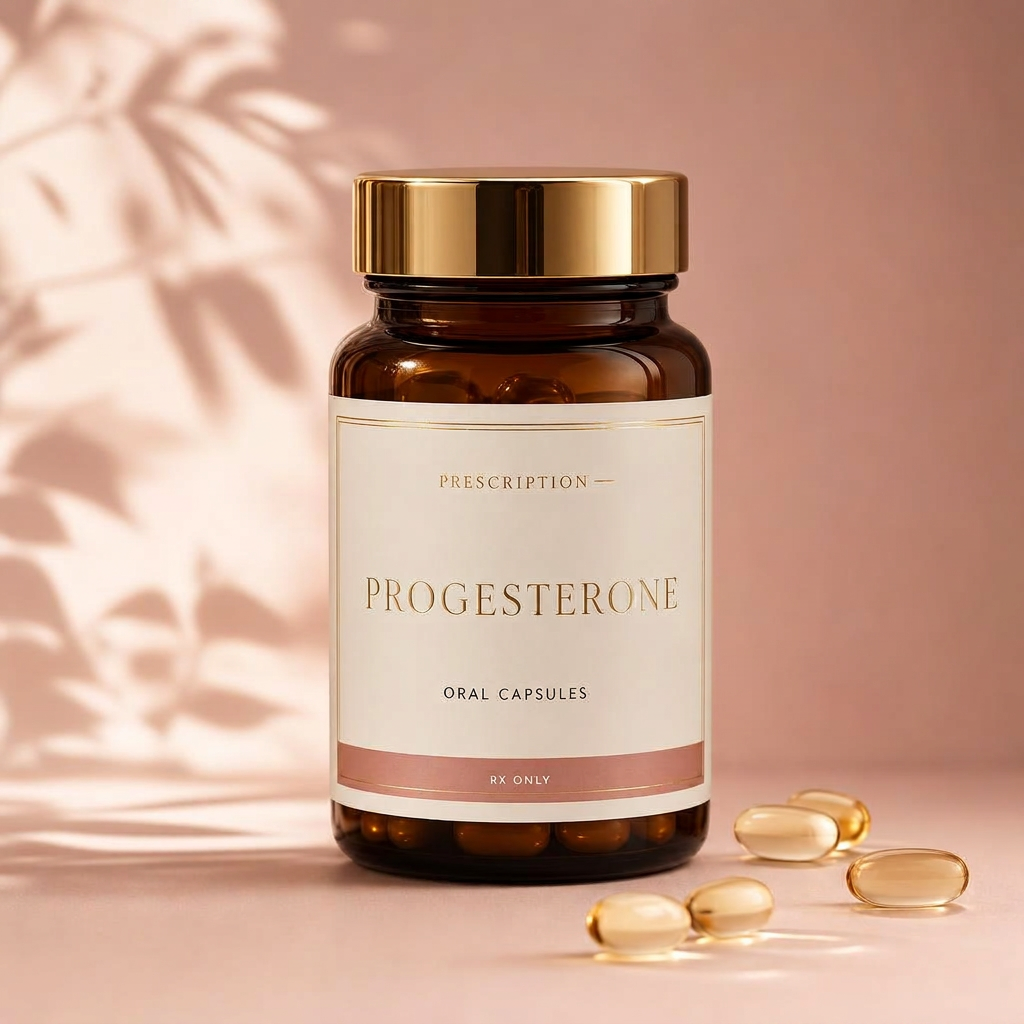
Progesterone
Oral capsules typically paired with estrogen to support sleep, mood, and hormonal balance during the transition.
Why women choose Neshiva: the research behind the results.
Real numbers from published research, the same data our providers use when deciding whether treatment is right for you.
In their own words.
"My provider actually listened when I said the last plan wasn't working. For the first time, my care felt personalized."
"HRT finally brought my sleep and mood back. I didn't realize how much perimenopause had been affecting me."
"NAD+ made a real difference in my energy and how my skin looks. Subtle but noticeable."
"Glutathione plus a real skin routine, my complexion is clearer than it's been in years."
"Estradiol brought my sleep back. I didn't realize how bad perimenopause had gotten."
"Bloodwork first, then a plan. HRT is finally treated like real medicine, not a taboo."
Good questions.
Our commitment to you
If a licensed clinician determines treatment isn't right for you at intake, you won't be charged for the medication. Care that's honest, or nothing at all.
Real evaluation, start to finish
Our women's health program starts with a licensed provider, not just a form. Depending on your intake and lab results, care can include:
Hormone evaluation
A blood test at home or at a lab to see where you are in the menopausal transition and check related markers.
HRT when appropriate
HRT stands for hormone replacement therapy. It replaces hormones your body is making less of, prescribed only when the evaluation supports it, and followed over time.
Skin & anti-aging support
NAD+ and glutathione can be added to your plan for skin health and healthy aging, independent of hormone status.
Important
This page is for educational purposes and reflects published clinical research. It is not a diagnosis. Only a licensed provider can determine if treatment is right for you, based on bloodwork and a full evaluation.
Learn more about our program
Clinician-led care, delivered discreetly.